Second Lives for Heavy Steel
Demolition is an inefficiency. Decades of heavy manufacturing have left robust, monolithic structures in prime urban-adjacent logistics corridors. Adaptive reuse converts dead steel into high-yield fulfillment assets.
The Structural Audit
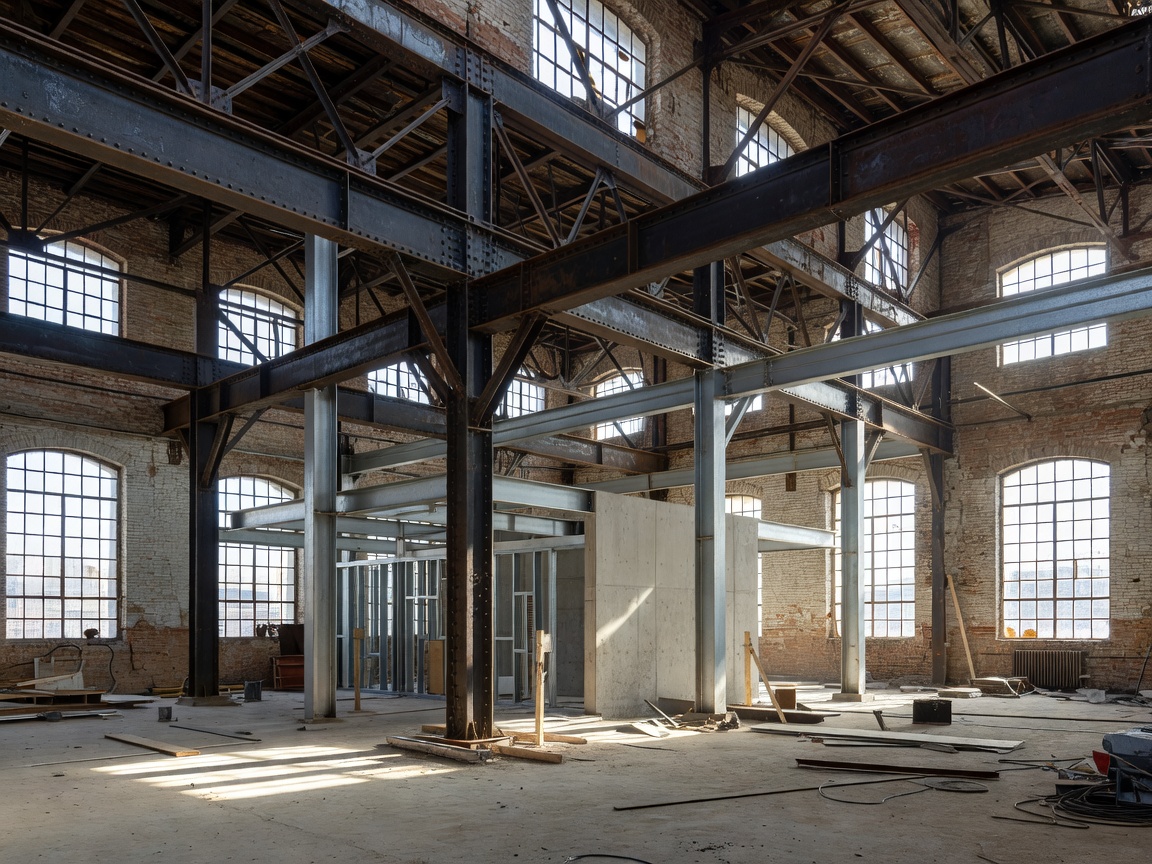
Before a mid-century automotive plant can be reformatted into a modern last-mile delivery hub, a rigorous structural audit is required. The massive I-beams and riveted columns of older factories were often over-engineered by modern standards, providing excellent "bones" for adaptive reuse. However, modern building codes mandate higher seismic and wind load resistance.
Raising the Roof
The primary deficit of legacy industrial buildings is clear height. A 1970s factory might possess a 22-foot clear height, whereas modern racking systems demand 36 feet. Engineers employ hydraulic jacking systems to literally detach the existing roof structure from its columns, lift the entire multi-acre roof plane in sync, and weld extension sleeves onto the columns—adding massive cubic volume without laying a new foundation.
Assess a Legacy Site